Mozaikdent Dental Clinic
TRCall for an appointment ↗
Mozaik Çarşı · Ataşehir 0216 455 33 55
← All treatments

Prosthodontics

Crowns, Bridges & Dentures

Missing or extensively damaged teeth can affect chewing and speech. We consider crowns, bridges and removable dentures in relation to your mouth, remaining teeth and daily life, discussing their use and care from the outset.

Ask about this treatment

When might treatment be needed?

Prosthodontic care restores damaged teeth and replaces missing ones. Missing teeth can affect chewing or speech, and neighbouring teeth may change position. Your dentist assesses your overall oral health and explains the options for restoring comfort, function and appearance. ADA missing teeth ↗

ILLUSTRATED TREATMENT GUIDE

See how the treatment works

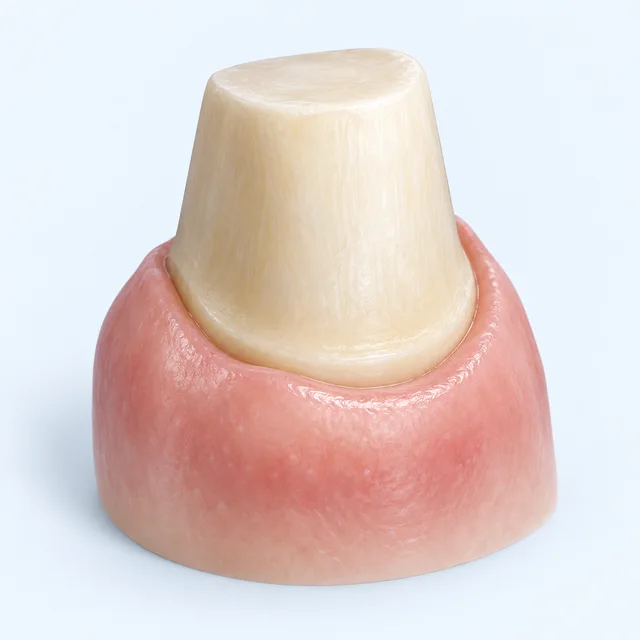
Prepared tooth — illustrative 3D rendering

Prepared tooth

The condition of the tooth and its remaining structure inform crown planning.

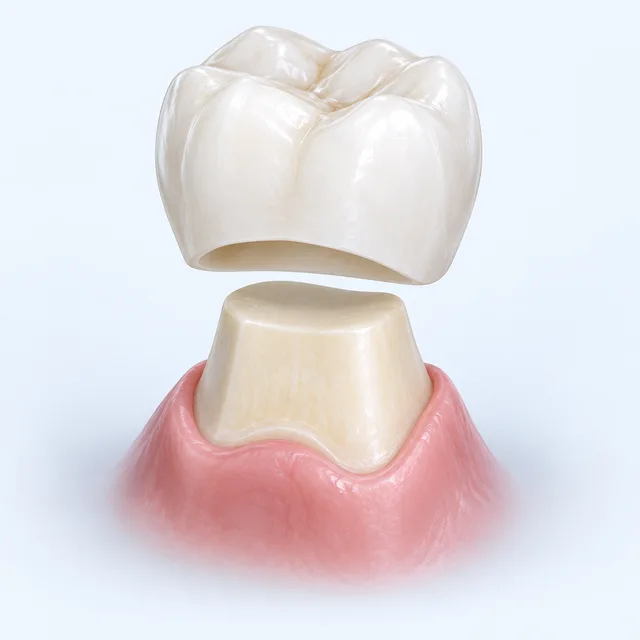
Crown — illustrative 3D rendering

Crown

A crown covers the visible part of the prepared tooth. Here it is shown separately to illustrate how it fits.

These AI-generated illustrations simplify the concept; they do not show true scale, your individual anatomy or a predicted result.

The main steps, from assessment to follow-up
  1. Assess the support

    Remaining teeth, gums and bone are examined.

  2. Choosing your replacement teeth

    Fixed and removable options are compared for your needs.

  3. Fit and follow-up

    Chewing, speech, cleaning and tissue fit are reviewed.

A simplified guide. The sequence and timing depend on individual findings.

TREATMENT OPTIONS

Explore your treatment options

Explore the main approaches below. At your assessment, we clarify which options suit you and which procedures can be provided at our clinic.

Single-tooth crowns

A crown covers a weakened tooth to support its shape and function.

The approach

Extensive structural loss, fractures and some root-treated teeth may be indications. Suitable structure must remain to support it. Preparation and records are followed by checks of fit and bite.

What to keep in mind

A crown can require removal of tooth tissue and does not prevent future decay. Material choice considers location and chewing forces as well as appearance.

Patient information source ↗

Tooth-supported bridges

A bridge replaces missing teeth using support from neighbouring teeth.

The approach

Their condition and gum health are central to planning. Some designs require preparation, so compare them with implants or removable options. The gap and bite guide fabrication.

What to keep in mind

Your dentist will show you how to clean beneath the replacement tooth and around the supporting teeth. Whether a bridge is suitable depends on the strength of the supporting teeth and how well it can be cared for over time.

Patient information source ↗

Partial and complete dentures

Removable dentures may replace several or all teeth.

The approach

Support is planned around remaining teeth and tissues, with records, trial stages and fit checks. Speaking and chewing with a new appliance can take practice. Dentures provided at extraction may need adjustment as tissues heal.

What to keep in mind

Persistent soreness or looseness should be assessed. Clean the appliance daily and continue oral examinations even without natural teeth. Avoid adjusting the fit yourself.

Patient information source ↗

Implant-supported restorations

Implants can support crowns, bridges or suitable dentures.

The approach

This stage replaces the visible teeth using the surgical support. Implant position, healing and bite influence design. Some restorations are fixed and others removable by the patient; this difference should be clear before treatment. Temporary tooth timing varies.

What to keep in mind

Maintenance remains necessary, and loosening or difficulty cleaning should be assessed rather than accepted as an unavoidable feature of the replacement.

Patient information source ↗

Adjustment and long-term care

New dentures can initially feel unfamiliar, and review appointments help refine their fit. Persistent soreness should be assessed. Clean the appliance daily as instructed and continue cleaning the gums, tongue and any natural teeth. Even patients with no remaining natural teeth need dental reviews. Report a loose, damaged or poorly fitting appliance instead of attempting to adjust it yourself. ADA dentures ↗

This information does not replace an examination and an individual treatment plan.

Common questions

How do I care for a prosthesis?

Clean the appliance and remaining teeth daily as instructed, and attend reviews to check fit and tissue health.

How many appointments will I need?

Timing and the number of visits depend on your assessment. You can share preferred days in your request.

How do fixed and removable replacements differ?

Fixed restorations are not removed by the patient; removable dentures are taken out for cleaning. Supporting teeth, implants, tissues and cleaning access influence the choice. Both need regular reviews.

Will a new denture take time to get used to?

Removable dentures can feel unfamiliar initially, and speaking and chewing may take practice. Persistent soreness or rubbing needs assessment. Do not file or adjust the denture yourself.

Does an implant-supported restoration need cleaning?

Yes. The implant surroundings and areas beneath or around the restoration need tools suited to its design. Ask for a demonstration; cleaning and reviews remain part of treatment.